
Novas regras europeias e o futuro da reciclagem de plásticos
(English Below) 🇵🇹
Estamos preparados?
A União Europeia está a preparar novas regras no âmbito da futura Circular Economy Act, com o objetivo de tornar a economia circular mais segura, eficaz e transparente♻️
Um dos pontos centrais deste debate é o controlo das substâncias químicas presentes nos produtos e nos resíduos, garantindo que os materiais reciclados sejam reutilizáveis e também seguros 🧪✅
Este desafio é particularmente relevante na reciclagem de plásticos. Muitos resíduos contêm aditivos e contaminantes que podem comprometer a qualidade do material reciclado e limitar a sua aplicação em produtos de maior valor. Por isso, a transição para uma economia verdadeiramente circular não passa apenas por reciclar mais, mas por reciclar melhor ⚙️
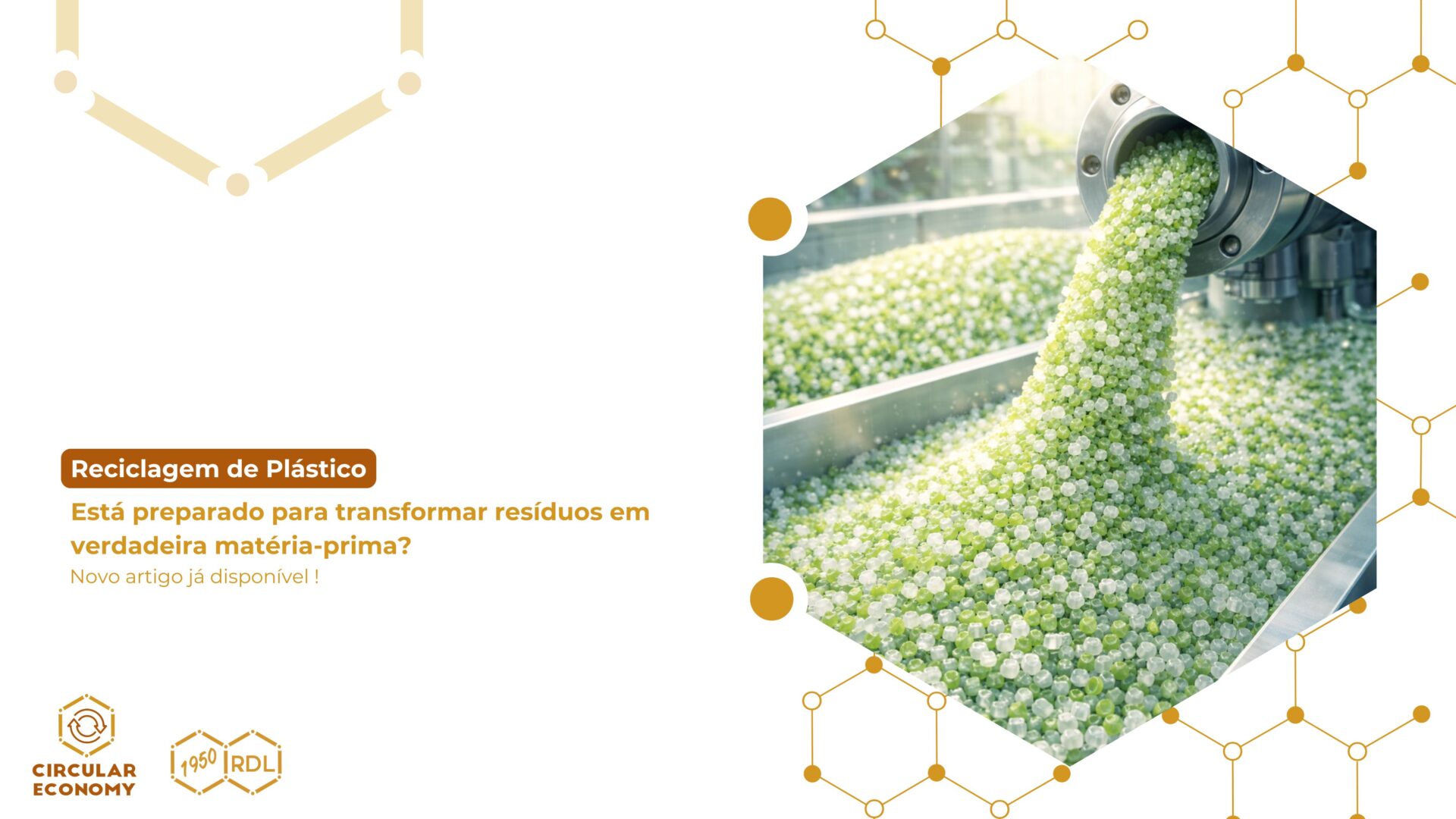
Na RuyDeLacerda, como fornecedor de tecnologia para a recilagem de plástico, isso traduz-se numa aposta clara em processos eficientes: linhas de lavagem eficazes, filtragem em contínuo, desgaseificação, extrusão e controlo térmico são hoje essenciais para remover impurezas, reduzir odores e garantir um granulado mais limpo e estável 🔥🧼
Quanto maior a qualidade do processo, maior a confiança do mercado no plástico reciclado e maior o seu valor económico 📈🌱
Como refere José Quintino:
“A economia circular só cria valor quando a reciclagem entrega materiais com qualidade, segurança e confiança para o mercado.”
Esta visão reforça que circularidade não é apenas fechar ciclos, mas criar condições para que o material reciclado seja competitivo face à matéria-prima virgem ♻️✨
Também Sabino Borges sublinha a importância do processo:
“Reciclar mais é importante, mas reciclar melhor é decisivo. A tecnologia e o processo são hoje tão críticos como matéria-prima virgem.”
Num contexto de maior exigência regulatória e maior escrutínio por parte dos clientes e consumidores, a reciclagem de plásticos tem de evoluir para modelos mais controlados, mais eficientes e mais responsáveis do ponto de vista químico e ambiental 🏭🌍
O futuro da reciclagem passa por três pilares: qualidade do processo, segurança do material e confiança do mercado. Só assim será possível transformar resíduos em verdadeira matéria-prima e garantir que a economia circular dos plásticos é sustentável, competitiva e credível ♻️🌱
🇬🇧
New European rules and the future of plastic recycling: are we ready?
The European Union is preparing new regulations under the future Circular Economy Act, aiming to make the circular economy safer, more efficient and more transparent ♻️
One of the central points of this debate is the control of chemical substances present in products and waste, ensuring that recycled materials are not only reusable but also safe 🧪✅
This challenge is particularly relevant in plastic recycling. Many waste streams contain additives and contaminants that can compromise the quality of recycled material and limit its use in higher-value applications. For this reason, the transition to a truly circular economy is not only about recycling more, but about recycling better ⚙️
At RuyDeLacerda, as a supplier of technology for plastic recycling, this translates into a clear focus on efficient processes: effective washing lines, continuous filtration, degassing, extrusion and thermal control are now essential to remove impurities, reduce odors and ensure cleaner, more stable pellets 🔥🧼
The higher the process quality, the greater the market confidence in recycled plastics and the higher their economic value 📈🌱
As José Quintino states:
“The circular economy only creates value when recycling delivers materials with quality, safety and market confidence.”
This view reinforces that circularity is not just about closing loops, but about creating the conditions for recycled material to compete with virgin raw material ♻️✨
Sabino Borges also highlights the importance of the process:
“Recycling more is important, but recycling better is decisive. Technology and process are now as critical as virgin raw material.”
In a context of stricter regulation and increased scrutiny from customers and consumers, plastic recycling must evolve towards more controlled, more efficient and more chemically and environmentally responsible models 🏭🌍
The future of recycling stands on three pillars: process quality, material safety and market confidence. Only in this way will it be possible to turn waste into true raw material and ensure that the circular economy of plastics is sustainable, competitive and credible ♻️🌱